
What is Voiceover Narration and Why Should You Hire a Professional in 2026?

Dec 29, 2018
5 min read
Updated: Jul 17
When it comes to certain major decisions in our lives—like buying a house or navigating a medical issue—we know that relying on a professional is the only viable option. Why? Because a shortcoming in real estate dealings or your personal health can be financially and physically catastrophic. Interestingly, that exact same mentality of "getting it right the first time" translates directly into unsuspecting industries, most notably the world of voiceover and digital media.
In 2026, we are living in a video-first world. Whether you’re producing an explainer video, an educational e-learning course, or a fast-paced user-generated content (UGC) ad, the audio—also known as the informational lifeblood of the video—can absolutely make or break its impact.
As a professional voice actor, video spokesperson, and content creator, I’ve watched this industry evolve rapidly over the last few years. The technology has changed, the platforms have shifted, but one undeniable truth remains: authentic, high-quality audio is the secret to capturing and keeping human attention.
We’re going to look at exactly what voiceover narration is today, how it has evolved alongside artificial intelligence, and why hiring a human professional is the most vital investment you can make for your brand.
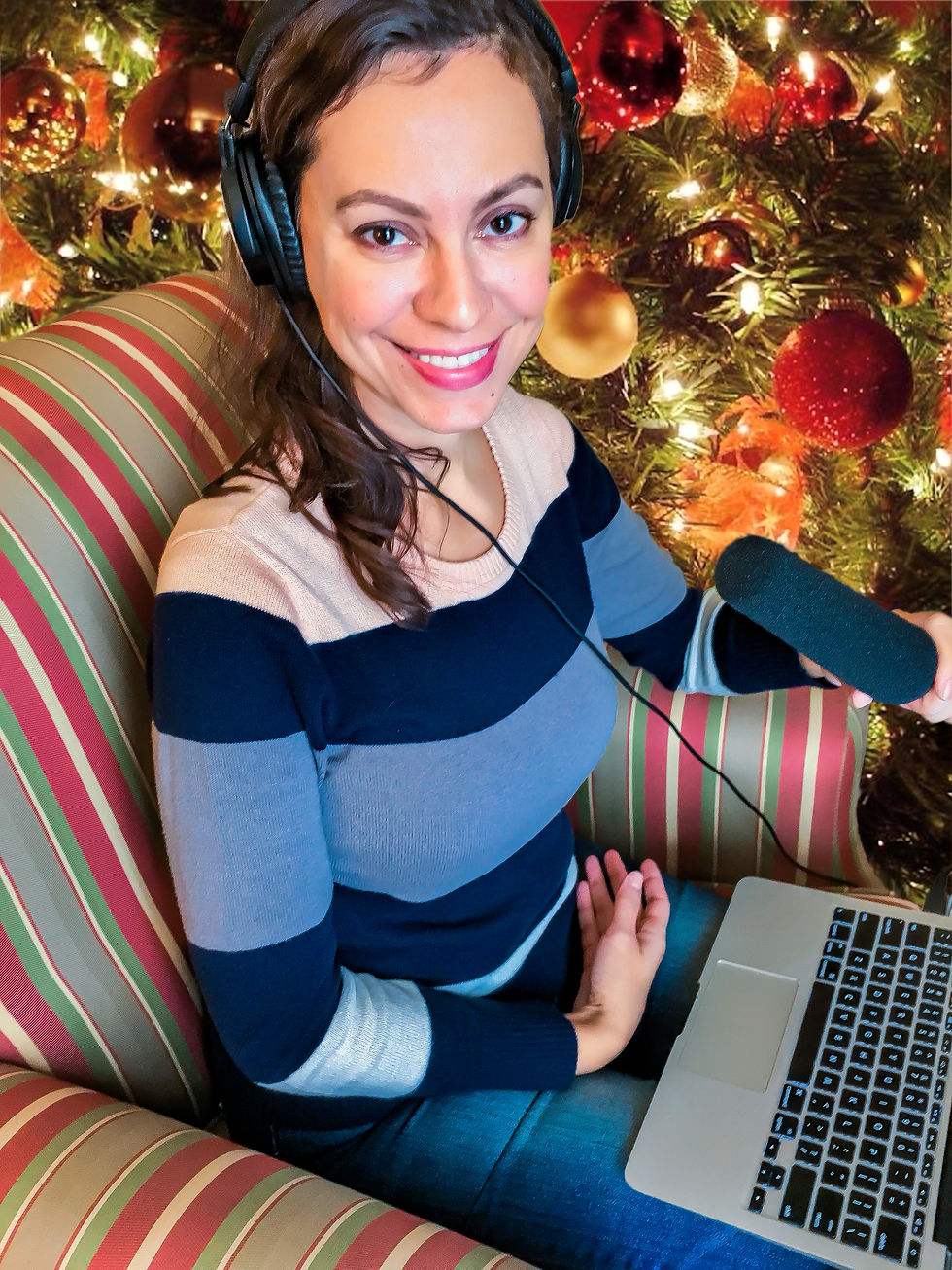
What is Voiceover Narration in the Modern Era?
At its core, voiceover is a production technique where a voice is used in radio, television, filmmaking, theater, digital videos, or presentations to tell a story or explain a concept to an audience. It can also be used for live events, award presentations, and corporate communications.
However, in 2026, the definition of voiceover narration has expanded massively. It is no longer just the booming "movie trailer" voice of the past. Today, voiceover narration encompasses:
E-Learning and Corporate Training: The global e-learning market is projected to cross a staggering $347 billion in 2026. With millions of students and corporate employees learning remotely, narration is the guiding force that keeps learners engaged through complex modules.
Explainer Videos and B2B Marketing: Simplifying a complex software or service requires a narrator who sounds like a knowledgeable, helpful peer.
UGC and Short-Form Video: Platforms like TikTok, YouTube Shorts, and Instagram Reels rely heavily on authentic, conversational voiceovers that feel less like a commercial and more like a friend giving a recommendation.
Brand Manifestos and Documentaries: Long-form storytelling that requires deep emotional resonance, pacing, and gravitas.
Generally recorded as one of the final stages in the creation of media, voiceover narration brings authenticity, clarity, and versatility to the already filmed and edited visual clips. It is the glue that holds the viewer's attention.
The AI Elephant in the Room
We can't talk about voiceover in 2026 without addressing the rise of Artificial Intelligence and text-to-speech generators. Many businesses initially view AI voices as a quick, budget-friendly shortcut for their narration needs. But there is a massive hidden cost to using synthetic voices: the loss of consumer trust.
While AI can string words together, it cannot feel them. It doesn't understand the subtle irony in a script, the necessary breath before a poignant statement, or the warmth required to make a customer feel safe. Recent studies on human-computer interaction suggest that AI voices can trigger "auditory fear" or an uncanny valley effect in listeners, lowering their perceived identity connection with the speaker and decreasing the persuasive power of the message.
Furthermore, data from Wyzowl’s 2026 State of Video Marketing report reveals that 89% of consumers say video quality directly impacts their trust in a brand. When an audience hears a robotic, artificially generated voice, it subconsciously signals a lack of investment in the client experience. Human connection is the currency of modern marketing, and you simply cannot automate a soul.

Why Hire a Professional Human Voice Actor?
Not just anyone is trained in the art of voiceover narration, nor do they have the isolated acoustic environment and high-end equipment to get it just right. When you hire someone floating around the internet without vetting their professional setup, the recording could be fuzzy, they might lack the experience to adapt to the tone of your media, and their turnaround time could derail your entire production schedule.
Here are the top reasons why you should only consider a true professional for your next project:
1. Unmatched Experience and Directability
Professionals come with years, if not decades, of experience. This means they are going to adapt to your project quickly and seamlessly. When I step into the booth the focus is always on directability. A professional knows how to take a note like, "Make it sound 10% more conversational and a little less salesy," and execute it flawlessly on the very next take. They offer up pacing tips, script tweaks, and creative suggestions you might not otherwise know to ask for.
2. Authentic Emotional Connection
An amateur reads words off a page; a professional internalizes the message and speaks directly to the listener's pain points and desires. Professional versatility means an artist can pivot from a highly energetic, fast-paced UGC video to a grounded, empathetic medical narration in the blink of an eye. This emotional intelligence ensures that your video perfectly aligns with your brand's vision and connects with your target demographic on a human level.
3. Pristine, Broadcast-Ready Equipment
Audio quality is unforgiving. Viewers might tolerate slightly grainy video footage, but they will immediately click away from bad audio. Professional voiceover artists invest heavily in their recording spaces. They utilize acoustically treated, sound-isolated vocal booths, broadcast-quality microphones, and high-end interfaces. When you hire a pro, you can rest assured the audio files delivered to you will be crystal clear, properly leveled, and completely devoid of background fuzz, room echo, or neighborhood noise. The slightest hiss can ruin a clip; a professional guarantees pristine delivery.
4. Measurable ROI and Brand Authority
Video marketing is no longer optional. In 2026, 91% of businesses are using video as a marketing tool, and adding video to a landing page can increase conversions by up to 86%. But those conversions only happen if the viewer stays to watch the whole thing. A professional voiceover actor keeps the viewer engaged, reducing bounce rates and directly driving sales. It is an upfront investment that pays massive dividends in your brand's perceived authority, SEO dwell time, and overall digital footprint.
The Bottom Line
If you’re tasked with hiring a professional voiceover artist this year for narration purposes, please consider the long-term value of your decision. The media will be of higher quality, significantly more convincing, and therefore much more likely to be shared and engaged with online.
Whether you need a dynamic video spokesperson, an authentic UGC creator, or a warm voice to guide your e-learning students, the success of your project all starts with selecting a professional who understands the nuances of human connection.
(If you are ready to elevate your brand's audio and visual presence this year, I'd love to help bring your script to life. Click here to get in touch and discuss your next project!)
hire a voice actor, voiceover artist 2026, AI vs human voiceover, video marketing audio, e-learning narration, UGC video spokesperson, broadcast quality audio.


Comments